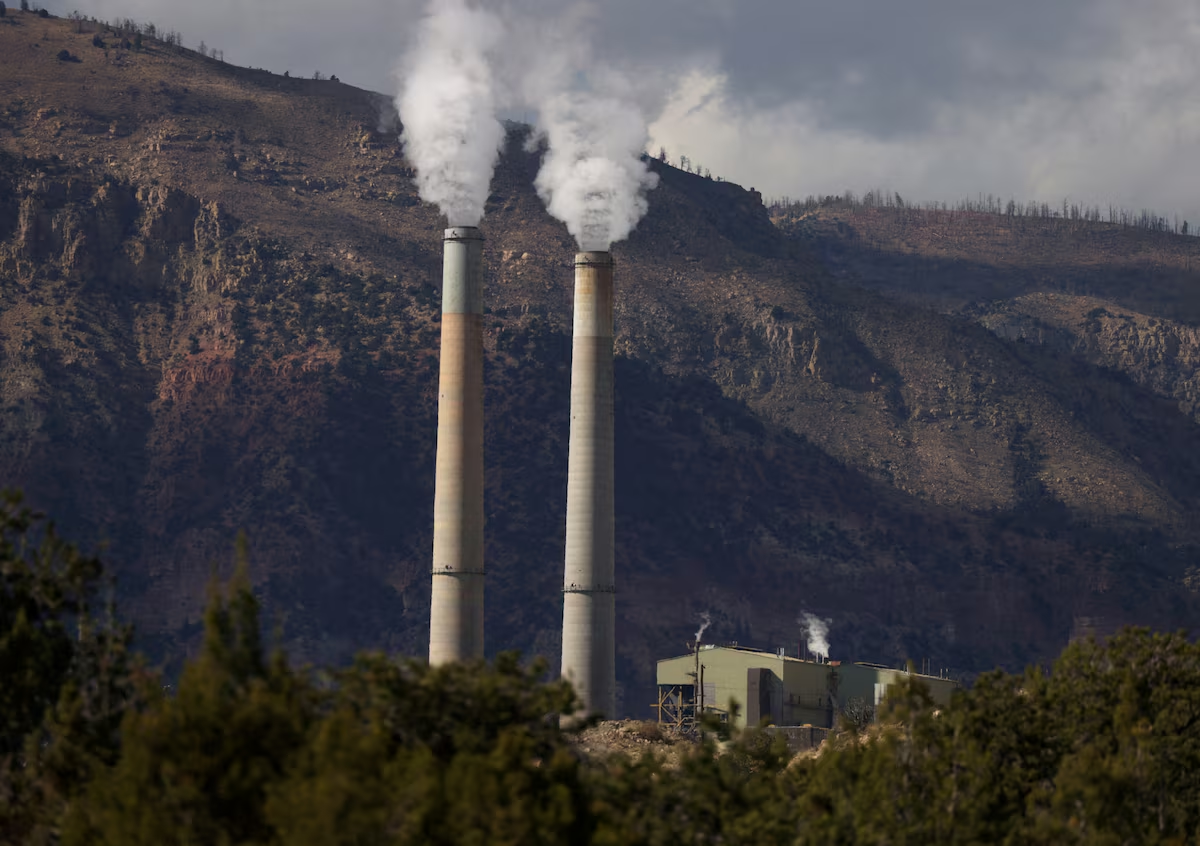
The Trump administration has announced plans to roll back air regulations that limit mercury and hazardous air toxics from coal-fired power plants. The move, revealed at an event in Kentucky, has triggered a nationwide debate over public health and energy policy.
According to officials, easing these standards will reduce operational costs for utilities and help maintain stable baseload electricity supply. However, public health experts warn that weakening mercury protections could increase health risks, especially for babies and young children.
What Is the Mercury Rule?
The rollback targets updates made in 2024 to the Mercury and Air Toxics Standards (MATS). These standards were first introduced in 2012 under the Obama administration and later strengthened during the Biden administration.
The 2024 update aimed to:
- Reduce allowable mercury pollution by 70%
- Cut emissions of nickel, arsenic, and lead by two-thirds
- Deliver estimated health savings of $420 million through 2037
However, the Environmental Protection Agency (EPA) under President Donald Trump argues that the original 2012 rule already provides an “ample margin of safety” to protect public health.
Health Experts Raise Concerns
Mercury is a powerful neurotoxin. Exposure during pregnancy can affect brain development in babies and may lead to long-term learning and behavioral issues.
Coal-burning power plants are major sources of:
- Mercury
- Lead
- Arsenic
- Acid gases
- Other hazardous air pollutants
Environmental groups argue that relaxing these standards could increase healthcare costs and disproportionately impact vulnerable communities.
Energy Demand and AI Expansion
The administration has defended the decision by pointing to rising electricity demand, especially from artificial intelligence systems and large data centers.
Officials say keeping older coal plants operational will ensure stable power supply as the country experiences growing energy needs.
Last year, Trump declared an “energy emergency,” allowing temporary exemptions for certain coal plants from key air regulations. Dozens of facilities were granted short-term relief under that declaration.
Political and Regulatory Impact
The policy shift reflects a broader change in environmental regulation. Recently, the administration also announced plans to repeal the “endangerment finding,” which previously allowed the EPA to regulate greenhouse gas emissions.
Coal plants currently generate less than 20% of U.S. electricity, yet they remain significant contributors to toxic air pollution.
Supporters believe the rollback will strengthen energy security. Critics argue it could reverse years of environmental progress.
What Happens Next?
The proposed rollback will go through a formal regulatory process, including a public comment period before final implementation.
Legal challenges from environmental organizations are expected.
As this policy debate unfolds, Khabriyaan.com will continue to bring you balanced and factual updates on global environmental and energy developments.